


This post is also available in:
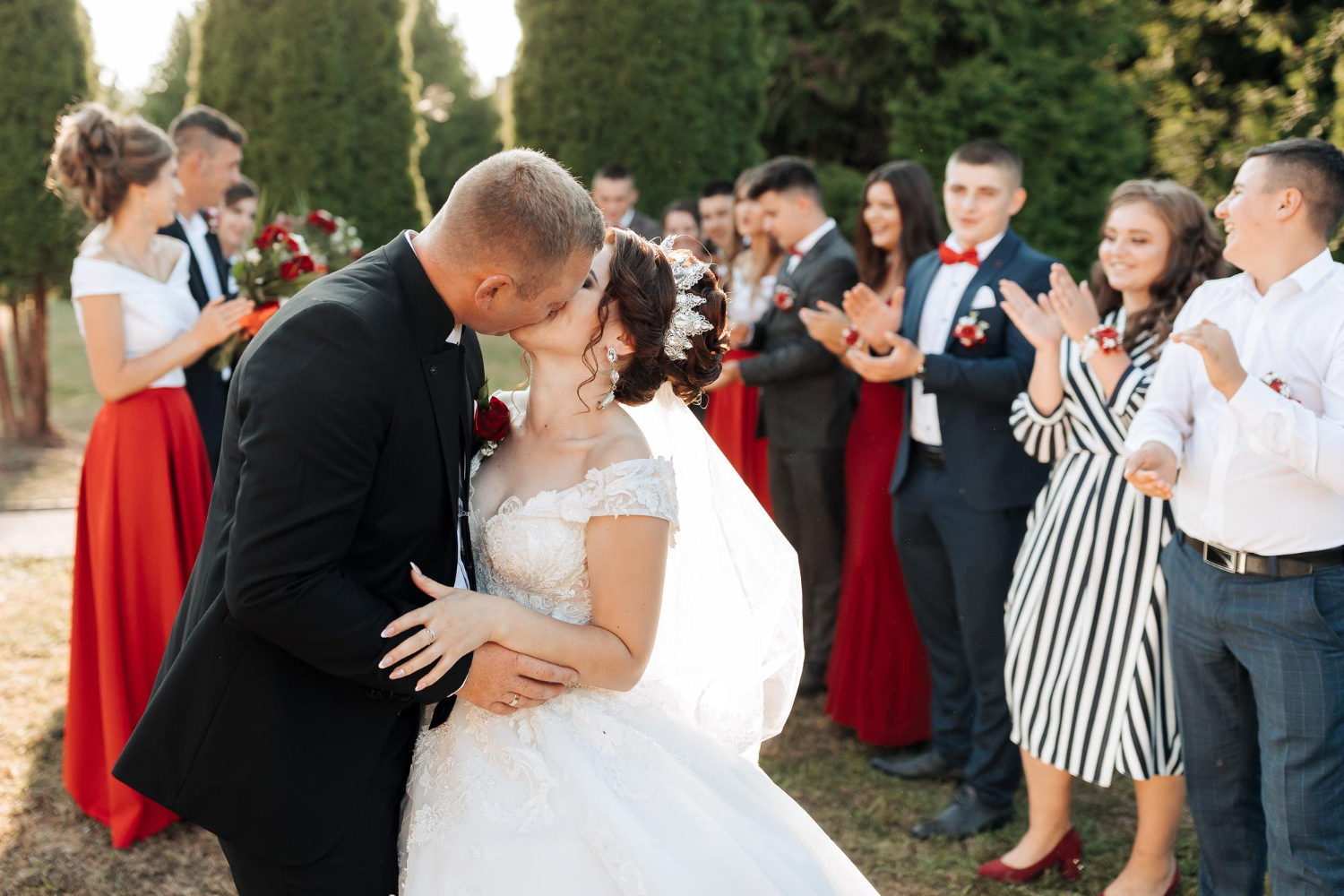
Can you wear a white printed dress to a wedding as a guest?
Your dress is not, technically speaking, completely white. It has flowers, color, a visible print. And yet, the question inevitably arises: is it appropriate or not to wear a patterned white dress to a wedding? Even if no one would mistake you for the bride, the boundaries of dress etiquette can become surprisingly sensitive in such situations.
Most guests already know the basic rule: white, ivory, and very light shades are generally reserved for the bride. That is why many people avoid these colors entirely when choosing an outfit for a wedding. But what about dresses with floral or graphic prints that have a white background and colored accents?
To clarify things, several stylists and wedding planning experts have analyzed the situation and offered clear recommendations on when it is acceptable and when it is better to avoid such a choice.
The 75/25 rule – a useful guideline
One of the simplest ways to evaluate is the so-called 75/25 rule. Specifically, if the dress is about 75% color and only 25% white, it is much less likely to be perceived as inappropriate. The more visually dominant the white becomes, the higher the risk of breaking the unwritten rules of a wedding.
Shades such as cream, ivory, or even very light pastels can easily fall into the “sensitive” zone, especially when combined with lace, ruffles, or romantic cuts. Also, the white-blue combination is often best avoided, as it is frequently associated with bridesmaid dresses or even the “something blue” tradition.
Pay attention to the “empty” spaces in the design
It is not just about the proportion of color, but also how the print is distributed. If a dress has a very visible white background and the print is sparse or small, it may be perceived more as a white dress than a colored one.
Experts recommend dresses with dense, clear, and dominant prints, so the eye is drawn to the color, not the background. In other words, the pattern should be the main element, not just decorative.
If you feel the dress is “borderline” or you need to overanalyze it to convince yourself it’s appropriate, that’s already a sign it’s better to choose something else. At a wedding, confidence and discretion are always inspired choices.
Large prints, not delicate patterns
The size of the print plays an essential role. Small, delicate floral patterns are often found on wedding dresses or bridal-style designs. Because of this, they can create confusion or appear too close to the bride’s aesthetic.
In contrast, large, graphic, or well-defined floral prints are much easier to recognize as guest attire. They clearly signal that the dress is not ceremonial and does not visually compete with the bride’s gown.
There is only one situation in which wearing white is completely acceptable: when the couple explicitly requests it. Otherwise, a wedding is the perfect occasion to wear color, experiment with elegant shades, and stand out in a positive way without breaking etiquette.
If in doubt, ask – or skip it
If you are close to the bride and have real doubts, a direct conversation can quickly resolve the situation. Sending a photo in advance can remove any uncertainty. However, if you are not close to the couple and don’t feel comfortable asking, the best solution is to choose another dress.
A simple empathy exercise can help: think about how you would feel if, at your own wedding, a guest wore a similar outfit. The answer will guide your choice.
Take the couple’s personality into account
Not all brides view dress rules with the same strictness. Some are very relaxed, others place great importance on details. If you know the couple well, you probably already have a sense of what they would consider appropriate or inappropriate.
One thing is certain, though: even if the bride wouldn’t be bothered, other guests might raise their eyebrows. Sometimes the discomfort doesn’t come from the couple, but from general perception. That’s why the golden rule remains the same: when in doubt, it’s better to avoid it.
A white dress with a print can be acceptable at a wedding only if white is clearly secondary, the print is dominant, and the design has nothing that suggests a bridal aesthetic. When you’re not sure, choose color, bold prints, and cuts that clearly say: “I’m a guest, not the bride.”
Therefore, elegance at a wedding doesn’t just mean looking good, but also respecting the context, the emotions, and the unique moment of those who are saying “I do.”
 EN
EN  RO
RO